- Warehouse Wisdom. Weekly.
- Posts
- Warehouse Wisdom, Weekly. 05/01/2026
Warehouse Wisdom, Weekly. 05/01/2026
Only the most relevant news for SMBs to improve logistics – picked, packed, and delivered without the bias.

Will Schneider
May 01, 2026
In partnership with


🚚 Happy Friday!
A big week for “things that used to require humans but apparently no longer do.” A fully driverless truck just completed a commercial freight run on public roads, which is either the future of logistics or the beginning of a very interesting insurance conversation. Meanwhile, global shipping lanes are facing real-world tension as the Strait of Hormuz remains shut, forcing governments to step in and rethink how international maritime access is maintained. Safe to say, it’s been a week where both innovation and disruption showed up in full force.
In this week’s edition, we’ll cover everything from global shipping disruptions and port expansions to UPS strategy shifts, Amazon’s latest AI moves, and the evolving world of ecommerce marketplaces.
Let’s dive in!
Global Logistics
Ports, pricing, and geopolitics collide

The potential merger between Union Pacific and Norfolk Southern is back on the table, as both rail giants filed a revised application that could reshape U.S. freight rail. If approved, this would create the first true transcontinental rail network in the country, potentially improving efficiency but also raising regulatory eyebrows.
Meanwhile, global shipping continues to feel the ripple effects of geopolitical tension. The latest ports report highlights how conflict tied to Iran is already influencing trade flows, with shifting volumes and increased uncertainty across key routes. That uncertainty is also showing up in pricing—container rates have now slipped for a third straight week as excess capacity continues to weigh on the market, a welcome sign for shippers… at least for now.
Air cargo isn’t getting the same relief. Carriers are adding fuel surcharges in response to rising costs tied to the same geopolitical instability, meaning faster shipping options are becoming more expensive just as businesses may need them most.
On the infrastructure front, the Port Newark terminal is taking its first steps toward a major expansion. The project aims to increase capacity and modernize operations, a much-needed move as East Coast ports continue to prepare for long-term volume growth and ongoing supply chain shifts.
Write docs 4x faster. Without hating every second.

Nobody became a developer to write documentation. But the docs still need to get written — PRDs, README updates, architecture decisions, onboarding guides.
Wispr Flow lets you talk through it instead. Speak naturally about what the code does, how it works, and why you built it that way. Flow formats everything into clean, professional text you can paste into Notion, Confluence, or GitHub.
Used by engineering teams at OpenAI, Vercel, and Clay. 89% of messages sent with zero edits. Works system-wide on Mac, Windows, and iPhone.
Supply Chain
UPS adjusts, AI advances, and infrastructure spending ramps up

UPS is continuing to evolve its delivery strategy by ramping up its Ground Saver program, leaning more heavily on USPS for final-mile delivery. For SMBs, this could mean more affordable shipping options, though potentially with tradeoffs in speed and visibility.
At the same time, UPS is facing some headwinds. Its latest earnings show revenue and package volume trending downward in Q1, signaling softer demand and putting pressure on the broader parcel market. That combination of cost-cutting and shifting strategy suggests carriers are bracing for a more competitive environment.
On the tech side, Amazon Web Services is pushing deeper into supply chain operations with a new “agentic AI” tool designed to automate decision-making. The goal? Smarter forecasting, better inventory positioning, and less human guesswork—music to the ears of anyone who’s ever over-ordered SKUs that didn’t move.
Rounding things out, the federal government is injecting $774 million into U.S. port infrastructure. The funding aims to modernize facilities and improve efficiency, which could help alleviate long-term bottlenecks and support growing trade volumes.
Logistics Vitals
Cargo theft declines, but risks are getting smarter

Cargo theft might be trending downward, but don’t get too comfortable—criminals are getting more sophisticated and costly when they strike.
Cargo theft incidents declined 17% year-over-year in Q1 2026
The average value per theft increased to over $200,000
Organized crime groups account for more than 70% of theft activity
Electronics, pharmaceuticals, and consumer goods represent over 60% of stolen cargo value
The takeaway: fewer thefts doesn’t mean less risk—it just means when it happens, it hits a lot harder.
Online Marketplaces
Amazon evolves while Etsy fights back in the battle for marketplace dominance

Etsy’s marketplace overhaul appears to be paying off, with leadership pointing to improved buyer experiences and stronger seller performance. For smaller brands looking to diversify away from Amazon, that’s an encouraging sign.
Speaking of Amazon, the company is quietly regaining first-party (1P) unit share, signaling a shift back toward owning more inventory directly. At the same time, its latest earnings show continued scale and dominance, even as growth normalizes.
And because no week is complete without an Amazon AI update, the company is rolling out a new feature that uses AI-generated audio summaries with built-in Q&A functionality. In other words, product pages are starting to sound more like podcasts… whether shoppers asked for that or not.
Warehouse Tech
AI and autonomous trucks signal the next wave of warehouse innovation
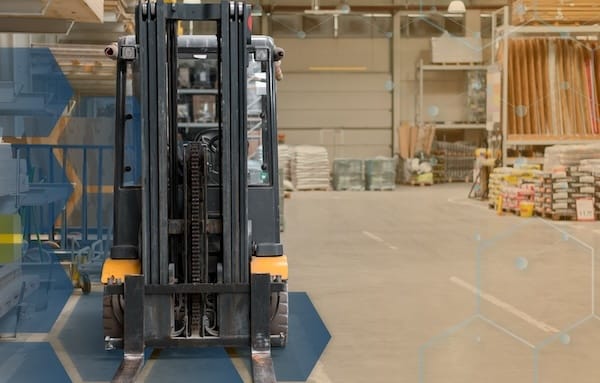
If you’re wondering where logistics tech is headed, the answer seems to be: everywhere, all at once. According to Ryder, AI is ushering in the “fourth wave” of logistics, with smarter systems driving everything from routing to inventory decisions.
Meanwhile, autonomous trucking continues to inch closer to reality. California is advancing testing for heavy-duty autonomous trucks, which could eventually reshape long-haul transportation. While widespread adoption may still be a ways off, the direction is clear—less human intervention, more automation, and plenty of operational implications to sort through along the way.
Warehouse Quick Deliveries
Target expands in Houston while tariff refunds fall short
“We’re entering the fourth wave of logistics, where AI doesn’t just support decisions—it starts making them.”