- Warehouse Wisdom. Weekly.
- Posts
- Warehouse Wisdom, Weekly. 05/08/2026
Warehouse Wisdom, Weekly. 05/08/2026
Only the most relevant news for SMBs to improve logistics – picked, packed, and delivered without the bias.

Will Schneider
May 08, 2026
In partnership with


🚚 Happy Friday!
AI is officially coming for everything this week — your shopping cart, your warehouse, and apparently even your truck routes. Wayfair is diving deeper into agentic AI shopping experiences, while Amazon and ChatGPT are fueling a growing battle over AI-powered advertising and product discovery. Meanwhile, autonomous trucks are now hauling freight between Texas and Oklahoma City, which means the future of logistics is looking less like a warehouse and more like a sci-fi movie with slightly more pallet wrap.
Beyond the robots politely taking over, this week’s logistics headlines are packed with rising geopolitical tension around the Strait of Hormuz, emergency ocean freight surcharges, expanding same-day delivery expectations, new AI tools from FedEx, tariff refund developments, and Amazon’s continued push to become everyone’s logistics provider whether competitors like it or not. Let’s dive in!
Let’s dive in!
Global Logistics
Hormuz tensions, piracy fears, and emergency surcharges put global shipping on edge

If supply chain managers were hoping for a quiet summer shipping season, the Strait of Hormuz apparently did not get the memo. Escalating tensions involving Iran are once again putting one of the world’s most critical trade chokepoints under the microscope, sending nervous ripples through global freight markets.
The pricing reaction was swift. Container spot rates snapped back upward as carriers rolled out emergency surcharges tied to the growing instability around the region. Shippers that finally started breathing easier after years of freight volatility may want to hold off on that victory lap just a little longer.
Adding to the concern, a hijacked tanker off the coast of Yemen has reignited fears of a resurgence in Somali piracy. While many in logistics hoped piracy concerns had largely faded into the history books, recent attacks are serving as a reminder that global supply chains still rely heavily on vulnerable maritime corridors.
At the same time, diplomatic discussions involving the U.S. and Iran continue evolving, with global shipping markets closely monitoring every development tied to Hormuz negotiations. Even the possibility of further escalation has become enough to inject uncertainty into freight planning, inventory decisions, and carrier pricing strategies worldwide.
Not all transportation news was gloomy this week, however. Georgia’s new inland port expansion is expected to remove roughly 26,000 truckloads from the road annually, helping improve regional freight efficiency and reduce highway congestion.
The ops hire that onboards in 30 seconds.

Viktor is an AI coworker that lives in Slack, right where your team already works.
Message Viktor like a teammate: "pull last quarter's revenue by channel," or "build a dashboard for our board meeting."
Viktor connects to your tools, does the work, and delivers the actual report, spreadsheet, or dashboard. Not a summary. The real thing.
There’s no new software to adopt and no one to train.
Most teams start with one task. Within a week, Viktor is handling half of their ops.
Online Marketplace
Amazon and Shopify double down on faster delivery and smarter commerce

The race to own both online shopping and the logistics infrastructure behind it is accelerating quickly, and Amazon and Shopify are leading the charge from very different directions. Shopify posted strong revenue and gross merchandise volume growth, signaling that independent brands and SMB merchants are still finding success outside the Amazon ecosystem.
Amazon is also reorganizing its logistics operations into a more unified supply chain service, signaling a much broader push into third-party logistics and enterprise shipping solutions. Combined with reports that Amazon Web Services is expanding its logistics-related capabilities, the company increasingly appears to be positioning itself as both the retailer and the infrastructure provider powering modern commerce. Competitors may soon need to decide whether they are competing against Amazon or simply renting shelf space inside Amazon’s rapidly growing ecosystem.
Logistics Vitals
Importers finally see tariff refunds as trade costs continue shifting
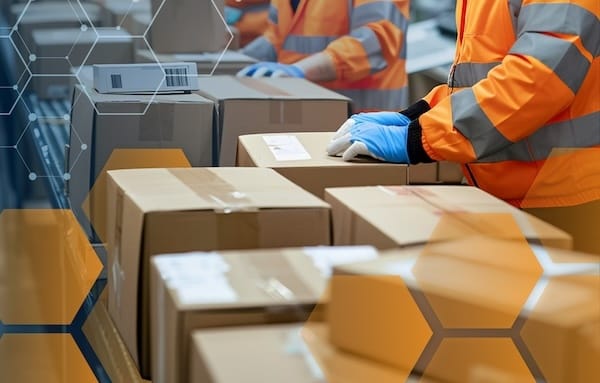
After all the disputes and elevated import costs, some businesses are finally beginning to see tariff-related refunds materialize. While many importers spent time absorbing higher landed costs and supply chain uncertainty, recent rulings are now returning meaningful amounts of capital back to certain companies. Here are some of the key figures and takeaways from the report:
Roughly $300 billion worth of Chinese imports were originally impacted by tariff actions during the trade dispute period
Certain tariff categories previously carried duties as high as 25% on imported goods
Some importers are now receiving refunds totaling millions of dollars after lengthy legal reviews and appeals
Businesses in sectors like manufacturing, retail, electronics, and consumer goods were among the hardest hit by elevated import costs
Warehouse Tech
AI, automation, and new distribution networks keep logistics moving faster

Artificial intelligence and automation continue weaving themselves deeper into logistics operations, and this week brought no shortage of examples. FedEx Freight announced new AI tools aimed at improving shipment visibility, operational planning, and freight efficiency heading into 2026.
The USPS is also expanding its logistics infrastructure with plans to launch 14 additional sorting and delivery centers by July. The expansion is part of the agency’s broader modernization efforts designed to improve package handling and delivery efficiency as parcel volumes and consumer expectations continue rising.
Investors are continuing to pour money into supply chain intelligence platforms designed to help businesses improve forecasting, inventory visibility, and transportation planning. The growing demand for better real-time logistics data is becoming increasingly clear as businesses navigate freight volatility, geopolitical disruptions, and shifting consumer behavior simultaneously.
And because Amazon prefers to appear in every section of the newsletter this week, the company also officially launched a broader B2B supply chain service that bundles warehousing, fulfillment, freight, and delivery capabilities together for business customers. The move further reinforces Amazon’s ambitions to become not only the largest retailer in the world, but potentially one of the largest end-to-end logistics providers as well.
Supply Chain
Consumer confidence and trucking compliance face fresh supply chain pressure
Tariffs, economic volatility, and rising uncertainty continue impacting how consumers shop and how brands build loyalty. Retailers are increasingly finding that pricing pressure and unpredictable trade conditions are making customers more cautious with spending decisions, while also forcing businesses to rethink sourcing, pricing, and inventory strategies. For many brands, maintaining customer trust may become just as important as maintaining inventory levels over the coming year.
Meanwhile, federal regulators revoked roughly 28,000 non-domiciled trucking registrations as part of broader compliance and enforcement efforts within the trucking industry. The move could tighten available trucking capacity in certain markets while also increasing scrutiny around carrier compliance standards. For shippers already juggling volatile freight conditions, it serves as another reminder that transportation networks remain highly sensitive to both regulation and capacity shifts.
Warehouse Quick Deliveries
Shopify sales surge, USPS expands, same-day delivery grows, and more…
Retailers continue ramping up same-day delivery investments to meet consumer expectations
Amazon Business expands same-day Fresh grocery delivery offerings
“Consumers are becoming less tolerant of uncertainty, and brands that fail to provide consistency during volatile periods risk losing loyalty faster than ever before.”