- Warehouse Wisdom. Weekly.
- Posts
- Warehouse Wisdom, Weekly. 06/19/2026
Warehouse Wisdom, Weekly. 06/19/2026
Only the most relevant news for SMBs to improve logistics – picked, packed, and delivered without the bias.

Will Schneider
June 19, 2026
In partnership with


🚚 Happy Friday!
Consumers are feeling generous this year. Father's Day spending is expected to reach a record high, proving once again that neckties have officially been replaced by gadgets, grilling gear, and whatever else shows up in a well-targeted social media ad. Speaking of social media, TikTok Shop continues to rewrite the rules of retail by selling more than products. Some of its biggest successes come from selling the idea of personal transformation. Whether it's a skincare routine, fitness gadget, or organizational hack, consumers are increasingly buying a better version of themselves. Not a bad reminder that people rarely purchase products. They purchase outcomes.
Beyond dads and dopamine-fueled shopping carts, this week's newsletter covers businesses adapting to a world where disruption has become routine, shifting trade policies and geopolitical developments, frontloaded imports and changing ocean rates, evolving freight markets, and the growing role of AI across commerce, warehousing, and the workforce. In other words, just another relaxing week in logistics. Let's dive in!
Let’s dive in!
Global Logistics
Supply chains stop waiting for normal
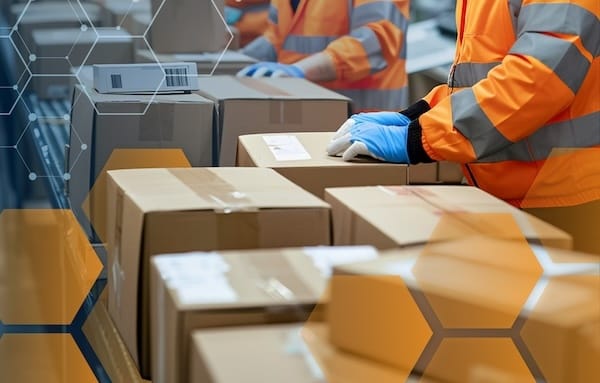
If there was one overarching theme this week, it's this: businesses have officially stopped waiting for supply chains to "go back to normal."
According to The Wall Street Journal, companies are increasingly designing their operations around the expectation that disruptions, geopolitical flare-ups, and shifting trade policies are simply part of doing business. The result is a permanent pivot toward resilience over efficiency, diversification over dependence, and flexibility over perfection.
Speaking of geopolitical flare-ups, the reopening of the Strait of Hormuz brought a collective sigh of relief to global markets. However, the story didn't end there. Questions remain about who will ultimately oversee one of the world's most strategically important waterways and what that means for future stability. For businesses importing goods or relying on predictable energy markets, this isn't just international intrigue. It could eventually show up in freight invoices and fuel surcharges.
Meanwhile, the European Union finalized approval of its latest tariff arrangement with the United States, while U.S. businesses filed suit over Chinese container-related fees that many argue unfairly burden importers.
Taken together, these stories are reminders that trade policy is no longer background noise. It's become a daily operational consideration for businesses of every size.
Stop letting busywork get in the way of selling

Researching accounts. Building lists. Writing sequences.
There's a better use of your team's time.
Apollo is the AI revenue engine that handles the busywork, so you can stay focused on selling.
Plus, everything you need is in one place:
230M+ verified contacts
AI-powered outreach
Data enrichment
Inbound lead capture
Meeting scheduler
And more
Stop doing busywork and start building pipeline, faster.
With Apollo — the AI revenue engine powering 4M+ users.
Ocean Freight
Peak season hits early while ocean markets search for direction

Peak season appears to have arrived ahead of schedule as importers rush cargo through Los Angeles and Long Beach. Whether it's concern over tariffs, geopolitical uncertainty, or simply trying to get ahead of future disruptions, businesses aren't waiting around to find out what happens next.
The result has been a surge in activity at the nation's busiest gateway.
At the same time, ocean carriers may soon find themselves dealing with a very different problem. FreightWaves reports that several factors could soon reset ocean pricing, while industry analysts warn that an influx of vessel capacity may eventually outpace demand.
Logistics Vitals
Volatility isn’t a phase. It’s the business model.
The latest State of Logistics Report suggests that businesses hoping for a return to predictable supply chains may be waiting awhile. Volatility is increasingly becoming the baseline rather than the exception.
Total U.S. business logistics costs reached approximately $2.6 trillion.
Inventory carrying costs increased as businesses maintained higher stock levels to hedge against disruptions.
Transportation markets remained fragmented, with differing conditions across truckload, parcel, ocean, and air sectors.
Companies increasingly prioritized resilience and optionality over pure cost minimization.
Freight and Shipping
Higher driver pay, costlier air cargo, and a freight market in transition

After years of difficult freight conditions, truckload drivers may finally have something to smile about. As freight demand shows signs of improvement, driver wages are beginning to rise. Of course, higher compensation often means higher transportation costs for shippers, making contract reviews and carrier conversations especially important.
Those conversations are evolving as routing guides themselves begin to crack under changing market conditions. Long-standing transportation assumptions are being challenged, forcing shippers to rethink how they secure capacity and manage risk.
On the visibility front, the Department of Transportation is exploring a national freight visibility initiative aimed at improving insight into cargo movement. Better data could eventually help businesses make more informed transportation decisions.
Air cargo remains equally dynamic. FedEx's latest partnership with a China-based airline reflects the importance of maintaining international capacity, while spot air freight rates surged 41% year-over-year in May before signs emerged that relief could eventually arrive.
Warehouse Tech
AI wants a seat at the table, but humans still have the head chair.
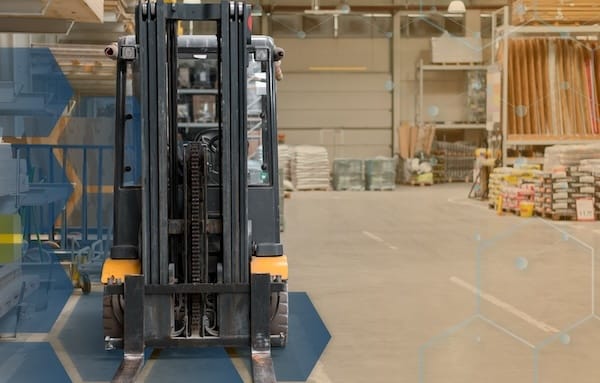
Adobe reported that AI-driven traffic to retail websites has doubled in a year, signaling that consumers are increasingly comfortable relying on technology to discover products. Visa and OpenAI are exploring what agent-led payments could look like, potentially creating a future where digital assistants don't just recommend products but complete purchases as well.
Inside the warehouse, the demand for workers with AI expertise has surged nearly 400%, according to Gartner. At the same time, reports suggest that while humanoid robot production is accelerating, widespread deployment remains limited. The robots may be coming, but they're apparently still reading the instruction manual.
Perhaps the most reassuring news for employees came from Retail TouchPoints. Despite the headlines, store associates aren't disappearing. AI is changing jobs rather than eliminating them outright, freeing workers to focus on higher-value tasks and customer interactions.
In other words, humans still seem to have job security.
Warehouse Quick Deliveries
Amazon’s FTC troubles
Amazon could be facing billions of dollars in FTC penalties
“Normalcy is not coming back.”